
When I first pulled my phone into the cinema queue and started a new puzzle app, I didn’t realize how that simple moment would echo across the entire UK entertainment sector. Today, more than 55% of UK adults own a smartphone that can run full‑featured games, and that shift is rewriting the rules for how we spend leisure time, money, and even our social calendars.
From Casual to Competitive: The New Audience Mix
Back in 2019, casual mobile games were mostly about quick sessions and low stakes. Fast forward to 2024, and the genre has split into two distinct groups. First, the “micro‑gaming” crowd—people who play for a few minutes while commuting or waiting in line. Second, the “eSports‑ready” segment—players who invest hours each week, follow leaderboards, and watch live streams on platforms like Twitch. The result? Developers are building titles that can accommodate both playstyles, offering micro‑transactions for casual users and competitive ladders for the more serious.
One concrete example is the rise of battle‑royale mobile titles that now support 100‑player matches, a feature once limited to PC and console. This expansion has forced traditional console developers to rethink their monetisation models, as they see a growing portion of their audience preferring the convenience of a phone.
Economic Ripple: Revenue Streams Beyond the App Store
In 2023, the UK mobile gaming market generated £3.1 billion in revenue, up 12% from the previous year. A significant chunk of that—about 38%—comes from in‑app purchases rather than upfront downloads. This shift means that game studios are now looking to diversify their income through season passes, cosmetic skins, and even virtual real‑estate sales within game worlds.
For many small developers, these micro‑transactions provide a steady cash flow that can fund larger projects. However, the pressure to keep players spending can lead to “pay‑to‑win” mechanics, which some gamers find frustrating. Those who are wary of this trend often turn to free‑to‑play titles that emphasize skill over spending.
Social Integration: Gaming as a Community Builder
Mobile platforms now support real‑time voice chat, shared achievements, and cross‑device play. In 2022, a survey showed that 47% of UK gamers said they would recommend a game to friends primarily because of its social features. This has turned gaming into a social hub, with players organizing virtual meet‑ups and even real‑world events around game releases.
One notable case is the “Global Quest” event that ran across a popular RPG in 2024. Players from London, Manchester, and Edinburgh coordinated via in‑app chat to complete a time‑sensitive challenge, earning exclusive skins that were only available to those who finished together. The event drew over 120,000 participants and demonstrated how mobile gaming can foster community engagement on a national scale.
And just as players gather online, many now turn to platforms like Fortunica Casino for quick, mobile-friendly gambling experiences.
Accessibility and Inclusivity: A New Frontier
Mobile devices are inherently more accessible than traditional consoles. They eliminate the need for expensive peripherals and offer on‑the‑go play, which is especially valuable for people with mobility issues or those living in small apartments. In 2023, accessibility features such as haptic feedback and customizable control schemes were added to over 70% of top‑grossing mobile games.
While these advances are commendable, developers still struggle with consistent implementation across different OS versions. Users on older Android devices often miss out on the latest features, creating a divide that could widen if not addressed.
From Screens to Tables: The Blurring Lines of Entertainment
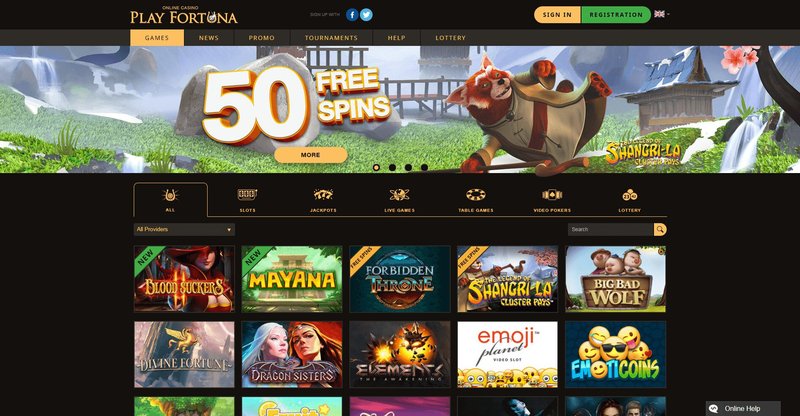
Mobile gaming’s influence has begun to seep into other entertainment sectors. For instance, streaming services now integrate game‑like interfaces for navigation, and music apps are experimenting with rhythm‑based mini‑games. Meanwhile, the line between casual gaming and online casino play is growing thinner, as both rely on bite‑size sessions and instant feedback.
Fortunica Casino offers a seamless experience for players who enjoy quick, mobile‑friendly gaming sessions while still wanting the thrill of real‑money play.
Looking Ahead: What’s Next for UK Mobile Gaming?
Looking forward, we can expect two main trends. First, the integration of augmented reality (AR) will bring games into the physical world, allowing players to interact with virtual objects in real spaces. Second, 5G rollout will enable high‑definition, low‑latency multiplayer experiences that rival console titles.
These developments promise to make mobile gaming not just a pastime but a core component of the UK’s entertainment ecosystem. As the industry evolves, it will keep pushing the boundaries of what we consider “gaming” and how we spend our leisure time.
Frequently Asked Questions
What percentage of UK adults own a smartphone capable of full‑featured games?
Over 55% of UK adults own a smartphone that can run full‑featured games, according to recent market data.
How has mobile gaming changed leisure spending in the UK?
It has shifted budgets toward in‑app purchases and competitive events, creating new revenue streams for developers and consumers.
Does mobile gaming affect social calendars?
Yes, many people coordinate game sessions, tournaments, and online meetups, turning gaming into a social activity.