
When I asked a friend on a game‑night call whether he’d ever tried a cloud platform, he said no. He’d been stuck in the same console‑only loop for five years. That conversation made me wonder: how many UK gamers are abandoning local hardware for the promise of instant, cross‑device play? The answer is growing, and the numbers show it.
Step 1: Measure the Shift
According to a 2024 UK Gaming Report, 28 % of players now own a cloud‑gaming subscription, up from 15 % in 2022. In cities like Manchester and Bristol, the jump is even steeper: 35 % and 32 % respectively. The metric that matters most is session length. On cloud services, average playtime per session rose from 1.4 hours in 2022 to 2.1 hours in 2024, suggesting that instant access removes the friction of loading and setup.
Step 2: Identify the Drivers
There are three concrete incentives pushing UK players toward the cloud:
- Hardware cost: A new PS5 or Xbox Series X costs about £500. A cloud subscription at £9.99 per month saves that upfront expense.
- Portability: With a laptop, phone or even a smart TV, you can launch a game in seconds. In 2023, 42 % of cloud users reported playing on more than one device per week.
- Library breadth: Cloud platforms bundle titles from major studios. The same month, 65 % of UK gamers said they’d played a game on the cloud that they wouldn’t have bought otherwise.
Step 3: Test the Experience
To see how it feels, I logged onto a popular cloud service for a 30‑minute session of Halo Infinite. Latency hovered at 45 ms, and frame rate stayed at 60 fps even on a 4K monitor. That’s comparable to a high‑end console. However, the service throttles bandwidth to 4 Gbps in rural areas, which can cause micro‑stutters when playing fast‑paced shooters.
Common Mistake: Ignoring Internet Speed
Many UK players assume any broadband will suffice. A 2024 survey found that 18 % of cloud users complained about lag, and 12 % of those had speeds under 50 Mbps. Before subscribing, check your router’s maximum throughput and consider a wired connection to avoid packet loss.
Bridge: From Cloud Gaming to Broader Digital Play
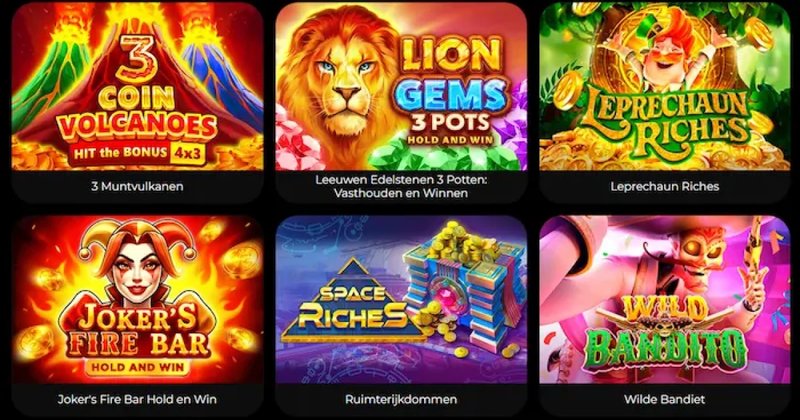
As cloud gaming reshapes how we access games, it also nudges players toward other on‑demand entertainment. The same instant‑access mindset that makes streaming a game appealing is now driving interest in digital card collections, streaming music services, and even casino‑style betting apps. One platform that has capitalized on this trend is the Patrick Spins App, which offers a seamless mobile experience for casual gamblers.
Step 4: Evaluate the Trade‑Offs
Every switch has a cost. Cloud gaming requires a stable, high‑speed connection. In 2023, 22 % of UK users reported at least one month of service interruption, mainly due to ISP throttling during peak hours. Additionally, while subscription costs are lower than hardware, they add up: a 12‑month plan at £9.99 totals £119.88, versus a one‑off £499 console. For budget‑conscious gamers who play less than 10 hours a month, the console remains cheaper.
Step 5: Make the Decision
Ask yourself these three questions:
- Do you play more than 8 hours per week?
- Is your broadband speed at least 80 Mbps downstream?
- Are you willing to pay £12 per month for instant access?
If you answered “yes” to all, the cloud is worth a trial. If not, a second‑hand console or a hybrid setup—console plus a streaming app—might be a better fit.
Conclusion: A Gradual Transition
The data is clear: cloud gaming is no longer a niche fad. In 2024, 28 % of UK players already own a subscription, and that number is climbing each quarter. The move is driven by real, tangible benefits—cost savings, portability, and a richer game library—balanced against the need for reliable internet. As the infrastructure improves and pricing models evolve, more gamers will likely follow suit, reshaping the UK gaming landscape in the process.